
How to Choose High-Quality Hemp Products
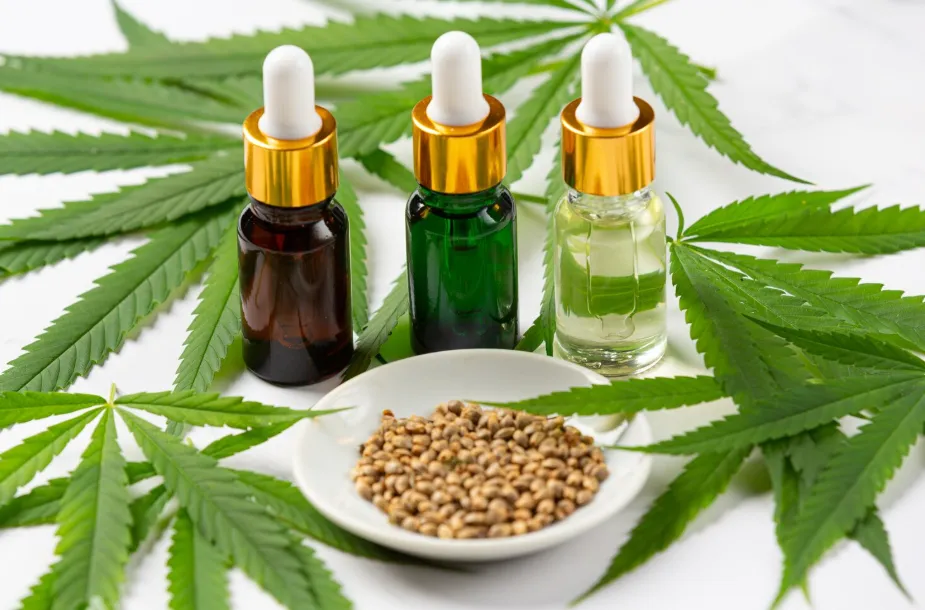
The hemp industry has grown rapidly in recent years, giving consumers access to a wide range of hemp-derived products. From hemp flower and hemp gummies to hemp oils, capsules, topicals, and nutritional products, the number of available options continues to expand.
While increased availability is beneficial, it also creates a challenge: how do you identify high-quality hemp products? Consumers often encounter a wide variety of brands and formulations from retailers such as Alt Super Store, making it important to understand the factors that separate premium products from lower-quality alternatives.
In this guide, we’ll explain how to choose high-quality hemp products, what factors to evaluate before buying, and how to avoid common mistakes that many consumers make when shopping for hemp-derived products.
Why Product Quality Matters
Quality is one of the most important factors when purchasing hemp products.
High-quality hemp products often offer:
-
Better consistency
-
Greater transparency
-
Reliable testing information
-
Improved manufacturing standards
-
Clear ingredient disclosures
On the other hand, low-quality products may lack proper testing, provide inaccurate labeling, or use inferior ingredients.
Understanding how to evaluate hemp products can help consumers make more informed purchasing decisions.
Start With the Hemp Source
The quality of a hemp product begins with the hemp plant itself.
Look for Responsibly Grown Hemp
Reputable companies often provide information about:
-
Hemp cultivation practices
-
Farm locations
-
Growing standards
-
Harvesting methods
Many consumers prefer hemp sourced from farms that follow strict agricultural and quality-control practices.
Understand Hemp Genetics
Different hemp varieties are cultivated for different purposes.
For example:
-
Hemp flower may prioritize cannabinoid and terpene production.
-
Grain hemp focuses on seed production.
-
Fiber hemp is grown for industrial applications.
Understanding the intended use of the hemp can provide valuable insight into product quality.
Verify Third-Party Laboratory Testing
One of the most important indicators of quality is independent laboratory testing.
What Is Third-Party Testing?
Third-party testing involves sending products to an independent laboratory for analysis.
These tests help verify:
-
Cannabinoid content
-
THC compliance
-
Product consistency
-
Purity standards
Reputable hemp brands make these results available to consumers.
Why Third-Party Testing Matters
Testing helps confirm that the product contains what the label claims and meets quality standards.
Consumers should be cautious of products that lack accessible testing information.
Check for a Certificate of Analysis (COA)
A Certificate of Analysis, or COA, is a laboratory report that provides detailed information about a hemp product.
What a COA May Include
Cannabinoid Profile
Displays levels of:
-
CBD
-
CBG
-
CBC
-
THC
-
Other cannabinoids
Terpene Analysis
Shows the terpene profile present in the product.
Safety Screening
May include testing for:
-
Heavy metals
-
Pesticides
-
Microbial contaminants
-
Residual solvents
Reviewing a COA is one of the most effective ways to evaluate product quality.
Understand the Ingredients
Always review the ingredient list before purchasing a hemp product.
Look for Transparent Labeling
Quality brands clearly disclose:
-
Active ingredients
-
Hemp extract type
-
Carrier oils
-
Flavoring agents
-
Additional ingredients
Transparency is often a strong indicator of a reputable manufacturer.
Avoid Unclear Formulations
Products with vague ingredient descriptions may make it difficult for consumers to understand exactly what they are purchasing.
Learn the Different Types of Hemp Extracts
Understanding hemp extract categories can help you choose products that align with your preferences.
Full-Spectrum Hemp Extract
Contains multiple naturally occurring hemp compounds, including:
-
Cannabinoids
-
Terpenes
-
Flavonoids
-
Trace federally compliant THC
Broad-Spectrum Hemp Extract
Contains multiple hemp compounds while generally removing detectable THC.
Hemp Isolate
Contains a single isolated cannabinoid.
Each extract type offers a different composition and product experience.
Evaluate the Product Category
Different hemp products require different quality considerations.
Hemp Flower
When evaluating hemp flower, consider:
-
Appearance
-
Aroma
-
Trichome coverage
-
Freshness
-
Laboratory testing
Hemp Gummies
Review:
-
Ingredient quality
-
Serving information
-
Testing documentation
-
Flavoring ingredients
Hemp Oils
Consider:
-
Carrier oil quality
-
Cannabinoid profile
-
Extraction methods
-
COA availability
Hemp Topicals
Look for:
-
Ingredient transparency
-
Product formulation
-
Manufacturing quality
Research the Brand
Brand reputation can provide valuable insights into product quality.
Questions to Ask
Does the company provide:
-
Laboratory reports?
-
Contact information?
-
Educational content?
-
Transparent sourcing details?
Companies that prioritize transparency often demonstrate greater commitment to quality.
Read Customer Reviews
Customer feedback may provide useful information regarding:
-
Product consistency
-
Packaging quality
-
Customer service
-
Overall satisfaction
While reviews should not be the sole deciding factor, they can help identify potential concerns.
Understand Hemp Extraction Methods
The extraction process can affect the final product.
CO₂ Extraction
Widely regarded as one of the industry’s preferred extraction methods.
Advantages include:
-
Precision
-
Consistency
-
Clean processing
Ethanol Extraction
Another commonly used extraction technique.
Benefits include:
-
Efficiency
-
Scalability
-
Commercial viability
Reputable brands often disclose their extraction methods.
Check Manufacturing Standards
Quality hemp products are often manufactured under rigorous production standards.
Good Manufacturing Practices (GMP)
Many consumers look for companies that follow established manufacturing protocols.
These practices help support:
-
Consistency
-
Quality control
-
Product safety
Batch Tracking
Batch numbers allow manufacturers to trace products and maintain quality assurance.
Watch for Unrealistic Claims
One of the biggest warning signs is exaggerated marketing.
Be Cautious of Claims Such As:
-
“Guaranteed results”
-
“Miracle product”
-
“Works for everyone”
-
“Instant effects”
Trustworthy companies typically focus on product quality, transparency, and education rather than sensational promises.
Understand Pricing
Price alone does not determine quality.
Extremely Cheap Products
Very low prices may indicate:
-
Inferior ingredients
-
Limited testing
-
Reduced quality control
Premium Products
Higher prices do not automatically guarantee superior quality.
Consumers should evaluate:
-
Testing
-
Transparency
-
Ingredients
-
Brand reputation
Common Mistakes to Avoid
Buying Without Reading the COA
Laboratory reports provide critical information about product quality.
Ignoring Ingredient Lists
Always review the product formulation.
Choosing Based Solely on Price
Quality evaluation should include multiple factors.
Not Researching the Brand
A few minutes of research can help avoid unreliable products.
Frequently Asked Questions
What Is the Best Way to Verify Hemp Product Quality?
Review third-party laboratory testing and Certificates of Analysis.
Why Are COAs Important?
COAs provide transparency regarding cannabinoid content, purity, and safety testing.
Should All Hemp Products Be Tested?
Reputable hemp products typically undergo independent testing before reaching consumers.
What Should I Look for on a Hemp Product Label?
Look for ingredient transparency, cannabinoid information, serving details, and batch identification.
Final Thoughts
Choosing high-quality hemp products requires more than simply selecting the first product you find online. By evaluating hemp sourcing, laboratory testing, ingredient transparency, extraction methods, manufacturing standards, and brand reputation, consumers can make more informed purchasing decisions.
Whether you’re shopping for hemp flower, hemp gummies, hemp oils, capsules, topicals, or nutritional products, prioritizing transparency and quality can help ensure a better overall experience. As the hemp industry continues to evolve, educated consumers will be best positioned to identify trustworthy brands and high-quality hemp products.