
What Does 3 Inches Look Like? 15+ Everyday Objects for Perfect Reference
Picture this: You’re trying to explain to someone how long 3 inches really is, but saying “7.62 centimeters” just doesn’t paint a clear picture. Numbers alone rarely help us truly understand measurements in our daily lives. What we need are real, tangible examples that make sense instantly.
Understanding 3 inches becomes much easier when we connect it to objects we see and use every day. This measurement appears more frequently in our lives than most people realize – from the items in our pockets to the tools we use for work and play. By the end of this article, you’ll never struggle to visualize 3 inches again, and you’ll be amazed at how many familiar objects match this exact measurement.
Why Understanding This Measurement Matters in Daily Life
Before we jump into specific examples, let’s talk about why knowing what this length looks like is actually important. In our modern world, we constantly need quick reference points for measurements. Whether you’re shopping online, doing home improvements, or helping your kids with school projects, having a mental picture saves time and prevents mistakes.
The beauty of this measurement lies in its practicality. It’s not too small to be useful, yet not so large that it becomes unwieldy. This sweet spot makes it a common measurement for many manufactured items, from everyday tools to recreational equipment.
Using Your Hand as a Reference
The Finger Method
Your own hand provides the most convenient way to measure without any tools. For most adults, the distance from the tip of the index finger to the second knuckle measures very close to 3 inches. This natural ruler is always with you, making it incredibly practical for quick measurements.
Some people find that measuring from the tip of their thumb to the first knuckle also gives them approximately this length. Hand sizes vary between individuals, so it’s worth checking your own measurements against a ruler to know your personal reference points.
Why Hand Measurements Work
Hand-based measurements have been used throughout history because they’re universal and accessible. While not perfectly precise, they’re accurate enough for most everyday needs. When you need to estimate quickly, your finger becomes an instant measuring tool.
Common Household Items That Measure This Length
Currency as a Measuring Tool
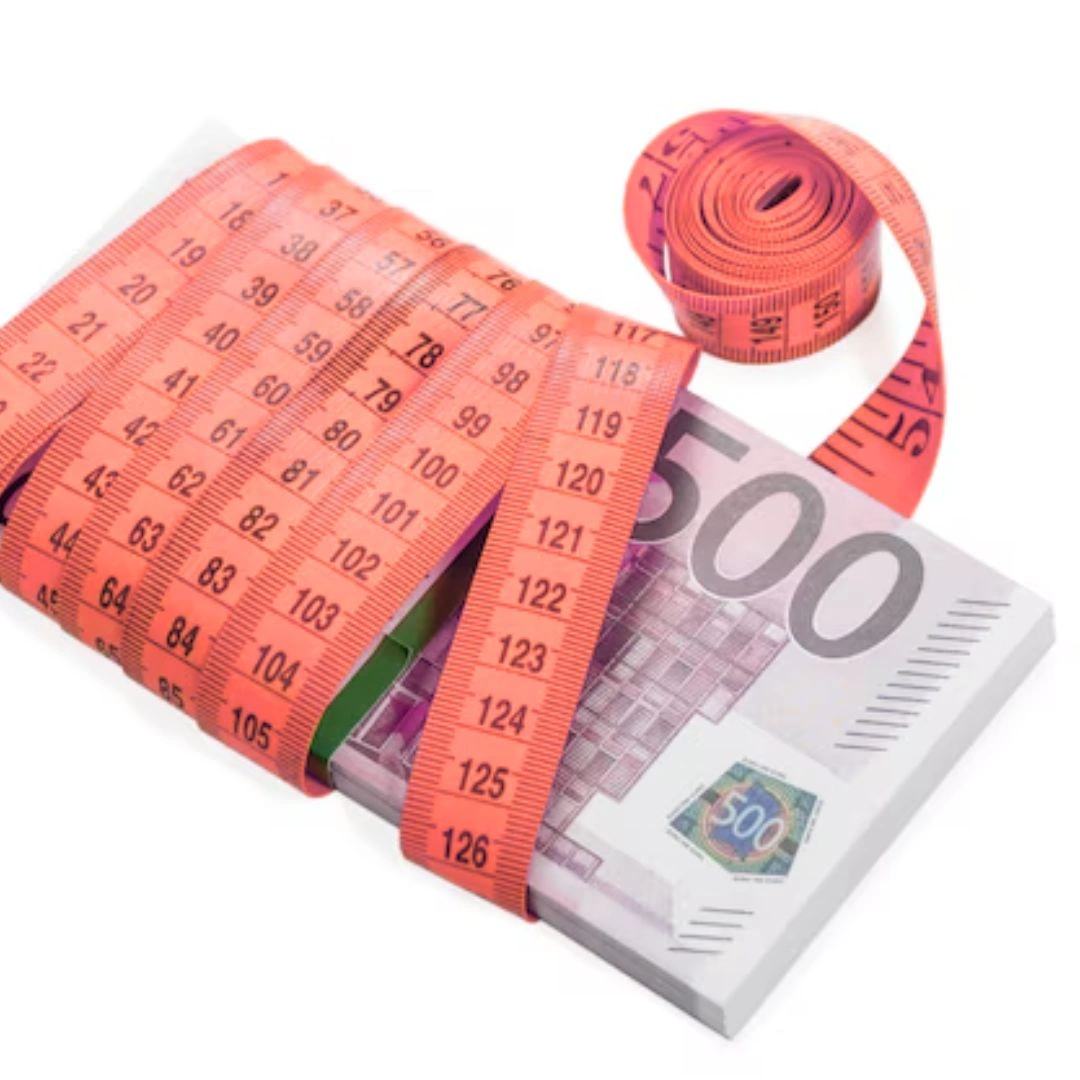
One of the most accessible references comes from your wallet. A US dollar bill measures 6.14 inches in total length, which means half of a dollar bill gives you almost exactly 3 inches. This makes paper money an excellent reference point that most people can visualize instantly.
This measurement trick works particularly well because dollar bills are standardized. Every single bill has identical dimensions, ensuring consistency in your measurements. The next time someone asks you about this length, you can simply say “think of half a dollar bill.”
Credit Cards and Their Dimensions
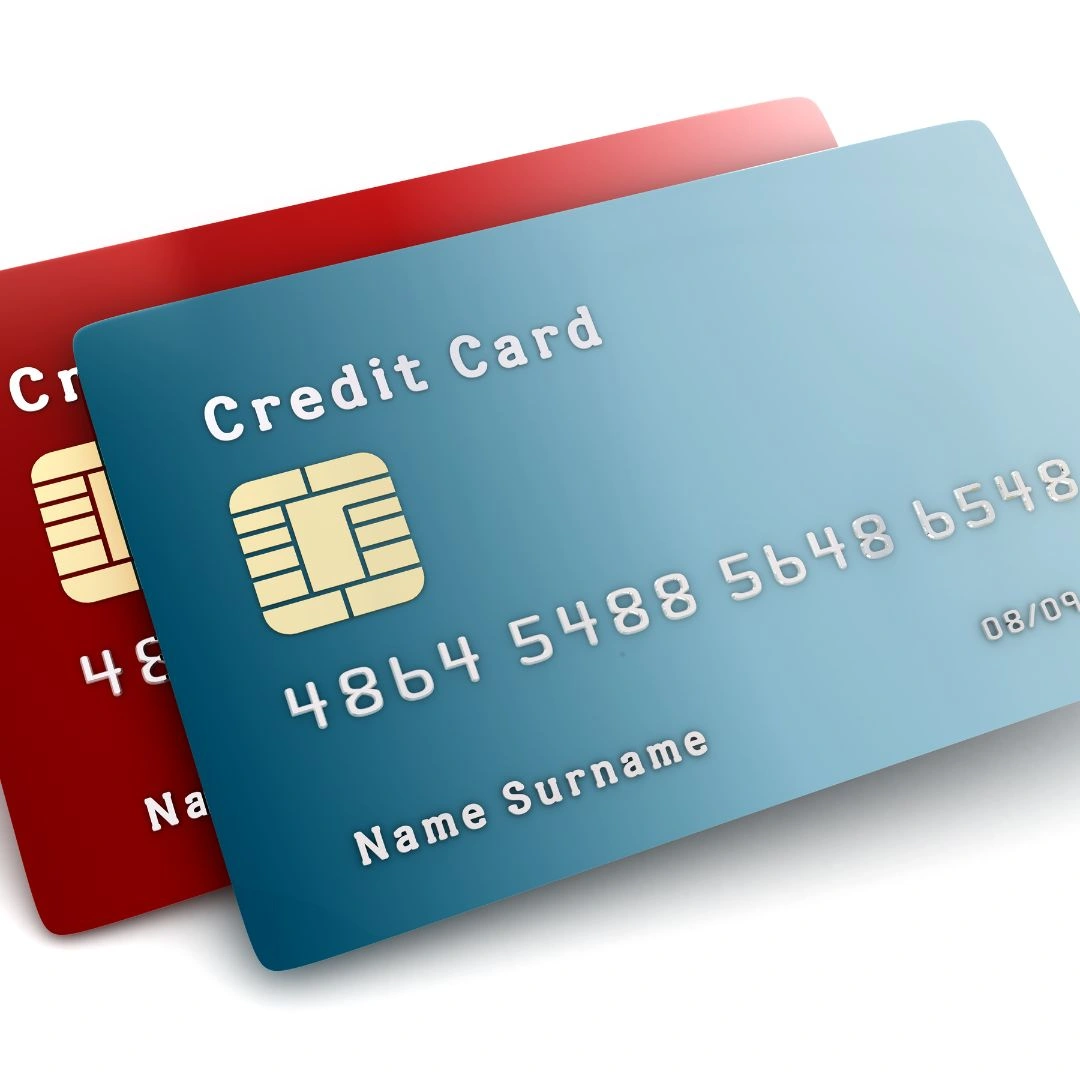
Your credit or debit cards offer another perfect example. Standard credit cards measure 3.37 inches in width, making them slightly longer than our target measurement but close enough for practical reference. Since most people carry cards daily, this creates a readily available measuring tool.
The standardization of credit card sizes serves important purposes beyond measurement. Banks, ATMs, and payment systems worldwide rely on these consistent dimensions. This global standardization makes credit cards reliable reference points no matter where you travel.
Sports Equipment Examples
Hockey Pucks: Perfect Match
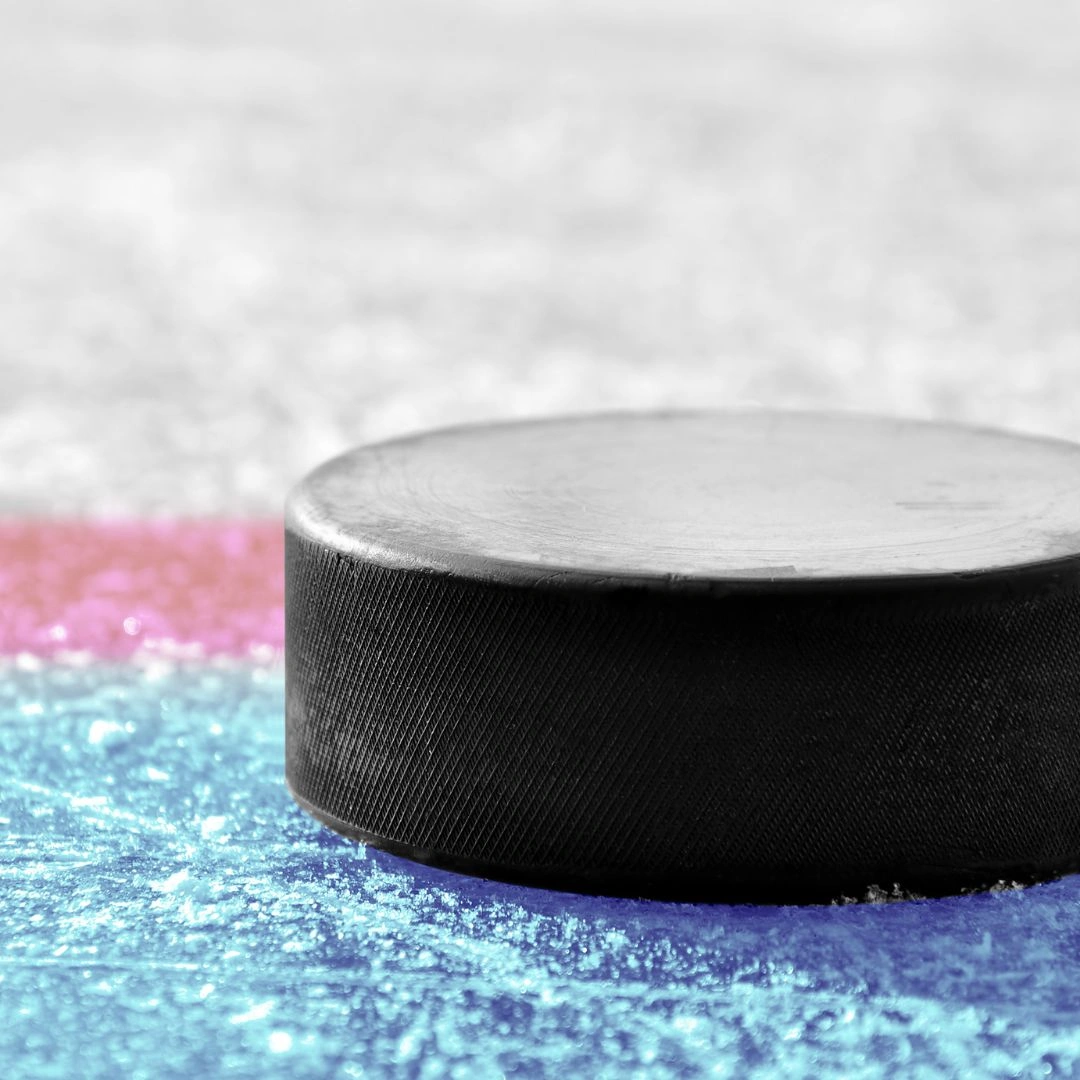
Hockey pucks provide one of the most precise examples in sports equipment. These black rubber discs measure exactly 3 inches in diameter with a 1-inch thickness. The precision of this measurement isn’t accidental – it’s carefully calculated for optimal game performance.
Professional hockey requires this exact sizing for several reasons. Smaller pucks would be difficult for players and spectators to track during fast-paced games. Larger pucks would slow down gameplay and make handling more challenging. This diameter creates the perfect balance between visibility, control, and speed.
Baseball Dimensions
While not exactly this length, baseballs come very close to this measurement. Official baseballs have a diameter between 2.86 and 2.94 inches, making them slightly smaller but close enough for reference purposes. The ball’s circumference measures between 9 and 9.25 inches.
This careful sizing creates optimal conditions for America’s favorite pastime. Pitchers can grip and control balls of this size effectively, while batters can make solid contact. The near-perfect diameter also creates ideal air resistance patterns for the signature curveballs and home run distances that make baseball exciting.

Currency and Coins Examples
The Quarter Stack Method
Here’s a fascinating fact that surprises many people: when you stack three US quarters on top of each other, the total height measures almost exactly 3 inches. Each quarter has a thickness of approximately 1.75 millimeters, and three quarters together reach about 5.25 millimeters or just over this target length.
This coin-stacking method provides an excellent way to measure when you don’t have a ruler available. Quarters are common, standardized, and easy to stack, making this technique both practical and reliable.
Currency Design and Standardization
The US Mint carefully controls the dimensions of all coins, including quarters. This standardization ensures that coins work properly in vending machines, parking meters, and other automated devices across the country. The consistent sizing of quarters makes them reliable tools for measuring through the stacking method.
Creative and Office Supplies
Crayons: Child-Friendly Length
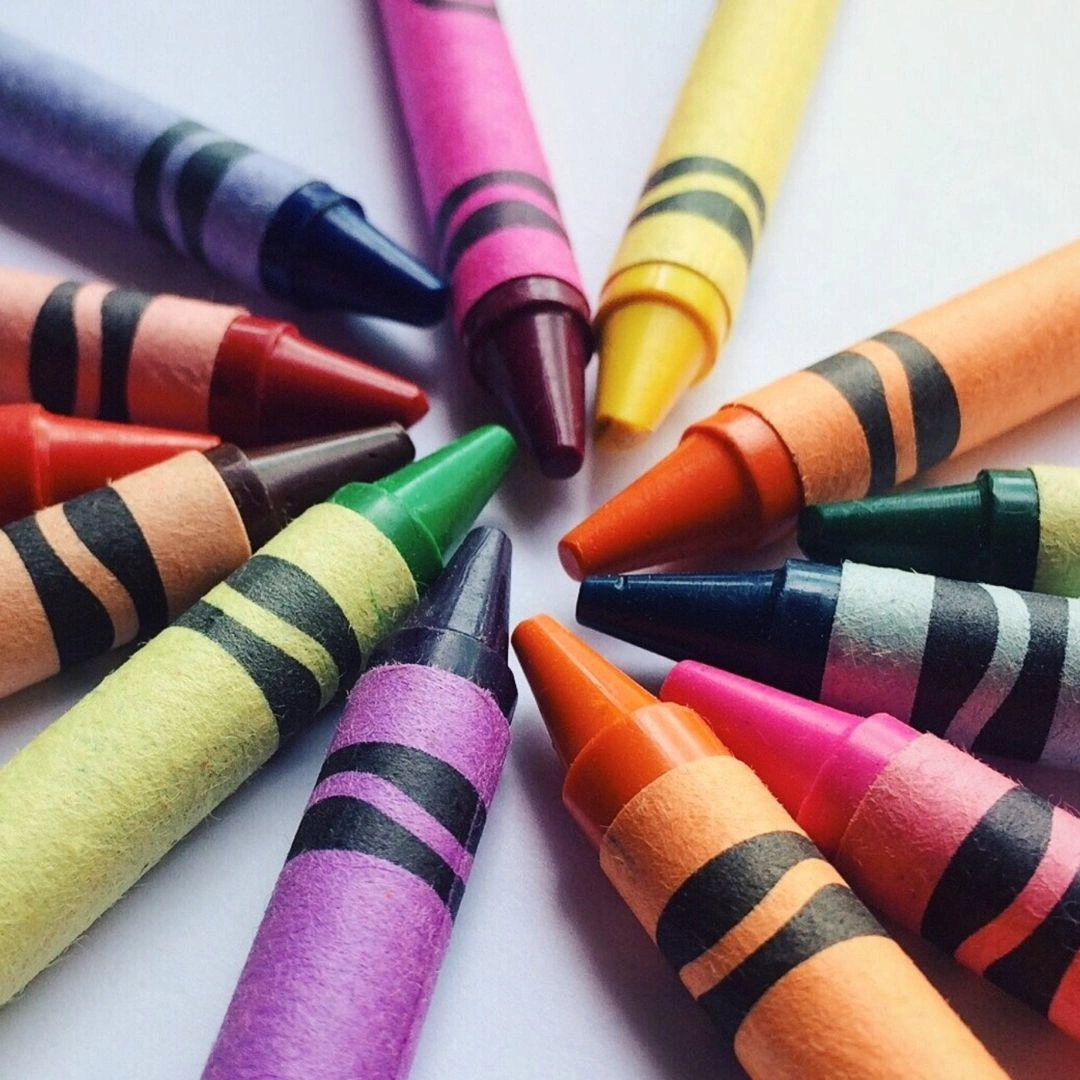
Standard crayons typically measure right around this target length. This sizing isn’t random – it’s been carefully chosen to balance several important factors. The length needs to be comfortable for small hands to grip while providing enough wax for extended coloring sessions.
| Item | Measurement | Accuracy |
|---|---|---|
| Standard Crayon | ~3 inches | Exact match |
| Hockey Puck (diameter) | Exactly this length | Perfect match |
| Credit Card (width) | 3.37 inches | Very close |
| Baseball (diameter) | 2.86-2.94 inches | Close |
| Three Quarters (stacked) | ~3.1 inches | Very close |
| Half Dollar Bill | ~3.07 inches | Very close |
| Standard Sticky Note | Square format | Perfect match |
| Golf Tee | 2.75-4 inches | Variable |
| Three Bottle Caps | Approximately | Close estimate |
The length of crayons has remained largely unchanged since the early 1900s when the Crayola brand was established. This consistency proves that the measurement works well for its intended purpose. Children can easily handle crayons of this length, and the size fits perfectly in standard crayon boxes.
Sticky Notes: Perfect Squares
Standard sticky notes, often called Post-it notes, measure exactly 3 inches by 3 inches, making them perfect square examples of our target measurement. These office staples were invented by accident in 1968 when a scientist was trying to create a super-strong adhesive but ended up with an easily removable one instead.
The square size strikes the ideal balance for office use. They’re large enough to write meaningful notes or reminders, yet small enough to stick in various places without taking up excessive space. This sizing has made them indispensable in offices, schools, and homes worldwide.

Recreational Items
Golf Equipment
Golf tees typically measure around this length, though they can range from 2.75 to 4 inches depending on the specific type and intended use. This length represents the most common size found on golf courses worldwide.
The length is crucial for proper gameplay. They must be long enough to securely hold the golf ball above the ground, allowing golfers to make clean contact with their clubs. However, they can’t be so long that they interfere with the swing or provide unfair advantages. This length hits the sweet spot perfectly.
Bottle Caps in a Row
When you line up three standard bottle caps side by side, you create a row that measures approximately 3 inches in total length. Most bottle caps have a diameter of about one inch, making this trio a handy reference for visualization.
Bottle caps might seem insignificant, but they play crucial roles in preserving beverage quality. Their standardized sizing ensures proper sealing across different bottle types and brands. The one-inch diameter has remained consistent since William Painter invented the crown cork bottle cap in 1892.
Professional and Industrial Applications
Manufacturing Standards
Many industries rely on this measurement as a standard for various components and tools. This measurement appears frequently in construction, automotive, and manufacturing applications because it provides a practical balance between functionality and material efficiency.
Understanding this length becomes particularly important for professionals who work with their hands. Carpenters, mechanics, and craftspeople often need to estimate this measurement quickly without stopping to use measuring tools. Having visual references helps maintain workflow efficiency.
Design and Engineering
Product designers and engineers frequently use this measurement in their work because it aligns well with human ergonomics and practical usage requirements. Many handheld tools, electronic devices, and consumer products incorporate these dimensions in their design specifications.
International Perspective
Metric System Comparison
While this measurement equals 7.62 centimeters, this conversion doesn’t always help people visualize the actual length. The metric system is more precise mathematically, but imperial measurements often relate better to everyday objects that people can easily picture.
Many countries use the metric system exclusively, but understanding this imperial measurement remains valuable for international communication and when dealing with products manufactured in countries using imperial measurements.
Global Standardization
Despite different measurement systems worldwide, many products maintain consistent sizing that aligns with this measurement. Credit cards, for example, use the same dimensions globally, making them universal reference points.
Practical Applications and Life Hacks
DIY Projects and Home Improvement
Knowing what this length looks like helps significantly with home improvement projects. Whether you’re spacing picture frames, planning garden layouts, or measuring fabric, having this visual reference prevents mistakes and saves trips to find measuring tools.
Many hardware stores sell items in increments or use this measurement as a standard size. Screws, nails, brackets, and other hardware often incorporate these dimensions, making visual estimation skills valuable for shoppers.
Educational Benefits
Teachers and parents can use these everyday examples to help children understand measurements in practical, memorable ways. Instead of abstract numbers, kids can relate to familiar objects like crayons, which makes learning more engaging and effective.
Technology Applications
Electronic Devices
Many electronic components and accessories incorporate these dimensions. Phone cases, small electronic housings, and connector components often use this measurement because it provides adequate space for functionality while remaining compact and portable.
The prevalence in technology design reflects its practical utility. This measurement offers enough room for essential components while maintaining the portability that consumers demand in modern devices.
Screen and Display Applications
Some smaller screens and displays measure close to this length diagonally. While most modern smartphones exceed this size, various specialized devices and older technologies used screens of this size as standard options.
Health and Safety Considerations
Medical and First Aid
In medical contexts, this measurement appears in various applications, from bandage widths to spacing requirements for medical equipment. Healthcare professionals often need to estimate this measurement quickly, making visual references particularly valuable in clinical settings.
Understanding this length can also be important for safety purposes. Many safety regulations specify minimum distances or clearances using this measurement, particularly in workplace and public safety contexts.
Environmental and Sustainability Aspects
Recycling and Waste Management
Many recyclable items that measure this length or contain components of this size require specific handling procedures. Understanding the size helps with proper sorting and disposal of materials like bottle caps, small plastic items, and paper products.
Environmental considerations also influence the design of products of this size. Manufacturers increasingly consider sustainability when determining product dimensions, including items that measure this length.
Future Trends
Design Evolution
As technology advances, the role of this measurement in product design continues to evolve. While some traditional applications remain unchanged, new products and innovations find creative ways to incorporate this practical measurement.
The consistency across various applications suggests that this measurement will remain relevant for future generations. Its alignment with human ergonomics and practical usage requirements ensures continued importance in design and manufacturing.
Cultural Significance
Historical Context
This measurement has appeared throughout history in various cultural contexts. From ancient building techniques to traditional crafts, this length has proven useful across different civilizations and time periods.
Understanding the cultural significance of measurements like this helps us appreciate how human societies have developed practical solutions for common needs. The consistency across cultures suggests its fundamental utility.
Tips for Remembering
Memory Techniques
To better remember what this length looks like, create personal associations with the objects you encounter most frequently. Whether it’s your finger measurement, a credit card, or sticky notes, choose the reference that works best for your lifestyle and memory.
Practice estimating in different contexts to improve your accuracy. The more you consciously notice this measurement in everyday objects, the better you’ll become at visualizing when needed.
Teaching Others
When explaining this measurement to others, use multiple examples rather than relying on just one reference. Different people relate better to different objects, so providing various options increases the likelihood that your explanation will stick.
Conclusion
Understanding what 3 inches actually looks like transforms an abstract measurement into something concrete and practical. From the hockey pucks used in professional sports to the humble crayons in children’s art supplies, 3 inches appears throughout our daily lives in countless useful applications.
Whether you’re using your finger as a natural ruler, visualizing half a dollar bill, or stacking three quarters, you now have multiple reliable methods for estimating 3 inches without any measuring tools. These everyday objects serve as constant reminders and reference points, making this important measurement as familiar as the items in your pocket or desk drawer.
The next time someone asks you about 3 inches, you’ll be equipped with numerous real-world examples that make the concept immediately clear and memorable. At Dimensions Path, we believe that understanding measurements through familiar objects makes practical knowledge more accessible and useful for everyone.
Frequently Asked Questions
Q: What’s the easiest way to measure without a ruler?
A: Use your finger – the distance from your index fingertip to the second knuckle is typically close to 3 inches for most adults.
Q: Are there any coins that help measure this length?
A: Yes! Stack three US quarters on top of each other – the total height is approximately this measurement.
Q: What common office item measures exactly this length?
A: Standard sticky notes measure in a perfect square format, making them ideal references for this measurement.
Q: How does this measurement compare to everyday cards?
A: Credit cards are 3.37 inches wide, making them slightly longer but close enough for practical reference.
Q: What sports equipment measures exactly this length?
A: Hockey pucks have a diameter of exactly 3 inches, making them perfect examples of this measurement.
👉 Also, check out our latest guide on badminton court measurements only at dimensions path!
Looking to make someone smile? Find thoughtful wishes at “TerrificWishes.com“