
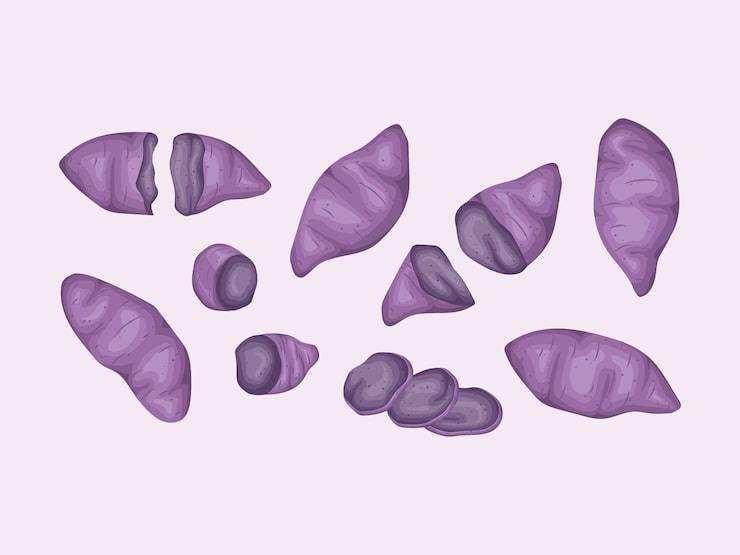
Ube: how to enjoy its nutritional benefits?
A deep violet color that almost looks unreal, a subtle sweetness that feels comforting, and a texture that adapts beautifully to both savory and sweet recipes ube has quickly moved from Filipino kitchens to global health conversations. Many people discover it through ice cream or lattes, then start wondering whether this striking root vegetable offers more than visual appeal. The short answer is yes. Ube, a purple yam native to Southeast Asia, delivers fiber, antioxidants, complex carbohydrates, and key micronutrients that support overall wellness. If you’re searching for clear answers about its nutritional value and practical ways to include it in your diet, you’re in the right place. Let’s break down what makes ube interesting from a health perspective and how to use it wisely so you can actually benefit from what it offers.
What makes ube nutritionally interesting?
Ube, scientifically known as Dioscorea alata, is a starchy tuber that shares similarities with sweet potatoes yet stands apart because of its deep purple hue. That color signals the presence of anthocyanins, a group of antioxidants also found in blueberries and red cabbage. Antioxidants play a role in protecting cells from oxidative stress, which is linked to aging and various chronic conditions. While ube is not a miracle food, its antioxidant content adds meaningful value to a balanced diet.
Beyond color, ube provides complex carbohydrates that release energy gradually. This steady energy release can help avoid sharp blood sugar spikes when eaten in reasonable portions. Its natural fiber content contributes to digestive health, supporting gut regularity and satiety. Fiber also helps slow carbohydrate absorption, reinforcing more stable energy levels throughout the day.
Ube contains moderate amounts of vitamin C, which supports immune function and collagen production. It also delivers potassium, a mineral essential for fluid balance and muscle function. Small amounts of B vitamins assist in energy metabolism. The nutritional profile is not extreme in any one category, though it offers a well-rounded combination that complements other whole foods. From a macronutrient standpoint, ube is low in fat and contains minimal protein. Its main contribution comes from carbohydrates paired with fiber and antioxidants. Think of it as a supportive base ingredient rather than a standalone nutritional powerhouse. Like a canvas that holds vibrant paint, ube creates space for nutrient-dense additions such as nuts, seeds, yogurt, or legumes.
How antioxidants in ube support overall wellness?
The vibrant purple tone is more than decorative. Anthocyanins in ube have been studied for their potential anti-inflammatory and antioxidant effects. Oxidative stress occurs when free radicals accumulate faster than the body can neutralize them. Over time, this imbalance may contribute to cellular damage. Antioxidant-rich foods help counter that process. While research specifically focused on ube remains limited compared to berries, its anthocyanin profile suggests similar protective properties. These compounds have been associated with cardiovascular support, improved vascular function, and cognitive protection in broader nutritional studies involving purple and blue plant foods.
It’s important to stay grounded. Ube alone will not transform health outcomes. Its benefits emerge when it becomes part of a diet rich in vegetables, fruits, whole grains, and healthy fats. Consistency matters more than intensity. Adding ube occasionally into your meals contributes to overall antioxidant intake, especially if it replaces refined carbohydrates. The form in which ube is consumed also matters. Whole or minimally processed ube retains more fiber and phytonutrients than heavily sweetened desserts. If you’re exploring high-quality sources, some specialty producers focus on preserving the root’s integrity. For example, carefully prepared ube products can offer a more natural alternative compared to artificially flavored options that only mimic the color and taste.
Is ube good for blood sugar balance
People often compare ube to sweet potatoes, wondering how it affects blood glucose levels. Ube contains complex carbohydrates and fiber, which generally digest more slowly than refined starches. That slower digestion supports steadier glucose release into the bloodstream. The glycemic impact depends heavily on preparation. Boiled or steamed ube eaten alongside protein and fat tends to have a moderate effect. Ube transformed into sugary pastries, ice cream, or sweet spreads shifts the nutritional equation dramatically. Added sugars override the natural fiber benefits. If your goal is better blood sugar balance, focus on pairing strategies. Combine ube with:
-
Greek yogurt
-
Chia seeds
-
Almond butter
-
Eggs
-
Lentils
These combinations improve satiety and slow carbohydrate absorption. Portion size remains essential. Even nutrient-dense carbohydrates can influence blood sugar if consumed in excess. Ube can fit into balanced eating patterns that emphasize whole foods. Its fiber supports digestive function, which indirectly contributes to metabolic stability. Think of it as a steady-burning log in a fireplace rather than a flash of paper that burns quickly and disappears.
Best ways to cook ube without losing nutrients
Preparation techniques influence nutritional retention. Heat can reduce certain vitamins, especially vitamin C, though fiber and many antioxidants remain relatively stable. Gentle cooking methods help preserve more nutrients.
Steaming and boiling techniques
Steaming ube maintains structure and reduces nutrient loss compared to prolonged boiling. Cutting the root into large chunks limits surface area exposure to water. If boiling, use minimal water and avoid overcooking. Once tender, cool it slightly before peeling to preserve texture. Mashed ube can serve as a base for savory dishes when mixed with olive oil, garlic, and herbs. This approach keeps added sugars out of the picture while enhancing flavor naturally. The root’s mild sweetness pairs well with spices such as cinnamon or nutmeg in breakfast bowls.
Baking and incorporating into meals
Baking whole ube retains flavor and creates a soft interior ideal for meal prep. Once baked, it can be cubed into salads, blended into smoothies, or folded into oatmeal. Combining it with protein-rich foods transforms it into a balanced meal rather than a dessert. Avoid relying solely on commercial ube flavorings. Many contain artificial coloring without nutritional value. Whole-food preparation ensures you actually receive the fiber and phytonutrients associated with the root.
How to include ube in a balanced diet?
Ube works best as part of a diverse dietary pattern. It can replace refined starches such as white bread or sugary cereals in certain meals. For breakfast, try mashed ube topped with nuts and plain yogurt. For lunch, roast cubes and add them to grain bowls. For dinner, blend it into soups to add thickness and color without cream. Athletes may appreciate ube’s complex carbohydrates for sustained energy. Those focusing on digestive health benefit from its fiber content. Anyone seeking antioxidant-rich foods can rotate ube with other colorful vegetables to expand phytonutrient intake. Moderation remains key. Ube provides carbohydrates, so portion awareness supports overall balance. Aim for a serving similar to other starchy vegetables, roughly one cup cooked, depending on energy needs.
What to keep in mind before making ube a staple?
No single food determines health. Ube supports wellness when it replaces less nutritious options rather than simply adding extra calories. Watch for heavily sweetened ube products marketed primarily for visual appeal. The health value lies in the whole root. If you have specific medical conditions such as diabetes or kidney disease, consult a healthcare professional regarding potassium intake and carbohydrate management. Ube can fit into many dietary approaches, though personalization always matters.
Ube stands out for its color, though its true strength lies in its balanced nutritional profile. With fiber, antioxidants, and steady-release carbohydrates, it supports digestive health and sustained energy when prepared thoughtfully. Incorporate it as a whole food, pair it wisely, and treat it as part of a varied plate rather than a miracle solution. Have you considered swapping a refined starch for ube this week and seeing how it fits into your routine?